


Choosing the right email marketing tools for salon business can help you bring more clients back, reduce manual follow-ups, and turn one-time appointments into repeat bookings.
Salon marketing is different from many other industries. A client may book a haircut today, need color maintenance in six weeks, buy aftercare products next month, and respond to a birthday offer later in the year. Without the right system, those moments are easy to miss.
TL;DR: The best email marketing tools for salon businesses should support email, SMS, automation, segmentation, and booking follow-ups. SaaS tools work for many salons, while WordPress-based salons can use NextCRM with Salonly for a smoother booking-to-retention workflow.
In 2026, salon email marketing is not only about sending a monthly newsletter. A stronger setup connects appointment history, client preferences, rebooking reminders, seasonal offers, SMS updates, review requests, and inactive-client follow-ups.
That matters because salons are repeat-service businesses. Hair color needs maintenance. Nails need refills. Facials often need follow-up. Spa and wellness clients are more likely to return when they get the right reminder at the right time.
Email also remains a strong marketing channel when it is used properly. Litmus reports that many companies see $10 to $36 for every $1 spent on email marketing, although actual results depend on list quality, timing, segmentation, and campaign strategy.
This list compares the best email marketing tools for salon business in 2026. It includes simple newsletter tools, email and SMS platforms, ecommerce-focused tools, CRM-based options, and a WordPress-native marketing solution for salons that already use WordPress.
For strategy before tool selection, read our full guide on email marketing for salon businesses.
What Makes a Good Email Marketing Tool for Salon Business?
A good email marketing tool for salon business should help your salon turn client contact data into repeat appointments.
The best platform is not always the one with the longest feature list. The right tool is the one that fits your salon workflow. A solo stylist, a small local salon, a spa, a medspa, and a multi-location beauty business may all need different systems.
Before choosing a platform, look for these features:
- Email campaign builder for newsletters, offers, and announcements
- SMS marketing for reminders and urgent updates
- Automation for welcome emails, rebooking reminders, and win-back campaigns
- Contact segmentation by service, visit history, interest, or location
- Booking workflow support through integration, import, or connected data
- CRM or client profile management
- Reporting for opens, clicks, conversions, unsubscribes, and campaign performance
- Consent and unsubscribe controls
- Pricing that still makes sense as your contact list grows
A practical salon marketing setup should follow the Salon Booking to Retention Loop.
A client books an appointment. The system stores the contact. The salon sends a helpful follow-up. The client receives a rebooking reminder. If the client does not return, the salon sends a win-back campaign later.
That loop is what turns one-time appointments into long-term client relationships.
How We Chose the Best Email Marketing Tools for Salon Business
This list is not based only on popularity. It is based on how well each tool supports the way salons actually communicate with clients.
We looked at:
- Email campaign features
- SMS support
- Automation options
- Contact segmentation
- CRM or customer profile depth
- Booking workflow fit
- Ecommerce support for salons that sell products
- Ease of use for small salon teams
- WordPress fit for salons that want more control
- Long-term scalability
We also separated email marketing tools from salon booking tools.
That distinction matters. A salon booking system manages appointments, services, staff, payments, and client scheduling. An email marketing system manages campaigns, segmentation, SMS, automation, and follow-ups.
For salons using WordPress, this is where Salonly and NextCRM work well together.
Salonly handles the salon booking and management layer. NextCRM handles the email marketing, SMS marketing, CRM, segmentation, and automation layer.
In simple words:
Salonly captures the booking moment. NextCRM helps turn that booking into a long-term client relationship.
Should Salons Use Email Marketing, SMS Marketing, or Both?
Salons should usually use both email and SMS because each channel solves a different problem.
Email is better for detailed messages. Use it for newsletters, seasonal promotions, service education, before-and-after images, product recommendations, gift card campaigns, loyalty updates, and post-visit aftercare tips.
SMS is better for short and time-sensitive messages. Use it for appointment reminders, last-minute openings, quick confirmations, limited-time offers, and schedule changes.
For example, a salon can send an email about a summer hair care package, then send a short SMS reminder two days before the offer ends. The email explains the value. The SMS brings attention back at the right time.
The goal is not to choose email or SMS. The goal is to use each channel where it makes the most sense.
Why WordPress Salons Should Consider NextCRM with Salonly
Most email marketing tools for salon business are hosted SaaS platforms. They work well for many salons because they are easy to start and do not require much technical setup.
However, salons using WordPress have another option.
If your salon website runs on WordPress, you can build a more connected system by using Salonly for salon booking and NextCRM for marketing automation.
Salonly is the booking and management layer. It helps salons manage appointments, services, staff schedules, deposits, payments, clients, and online booking inside WordPress.
NextCRM is the marketing layer. It is a broader WordPress-native solution for email marketing, SMS marketing, CRM, segmentation, automation, behavior tracking, and multichannel follow-ups. It is not limited to the salon industry, but it can serve salon businesses well when the salon website runs on WordPress.
Together, they create a smoother WordPress-based booking-to-retention workflow.
A client books a service through Salonly. NextCRM can then support the follow-up side with a welcome email, post-visit aftercare message, SMS rebooking reminder, birthday offer, review request, or inactive-client win-back campaign.
This is the main reason NextCRM belongs in this list. It helps WordPress-powered salons solve the email marketing and client retention problem without depending only on separate external SaaS tools.
Quick Comparison of the Best Email Marketing Tools for Salon Business
The best salon email marketing tool depends on your website setup, communication channels, booking workflow, and growth stage.
| Tool | Best For | SMS | Automation | CRM or Contact Management | Best Salon Fit | |
| NextCRM | WordPress websites that need email, SMS, CRM, segmentation, and automation | Yes | Yes | Yes | Yes | Best for WordPress salons using Salonly or a WordPress booking workflow |
| Mailchimp | General small business email marketing | Yes | Available by plan or region | Yes | Basic audience tools | Good for simple salon newsletters and offers |
| Brevo | Hosted email, SMS, CRM, and automation | Yes | Yes | Yes | Yes | Good for salons that want hosted email and SMS |
| MailerLite | Simple newsletters, forms, and landing pages | Yes | Not the main focus | Yes | Subscriber management | Good for small salons and solo stylists |
| Constant Contact | Local salons wanting templates and beginner support | Yes | Available by plan or add-on | Yes | Contact tools | Good for local promotions and announcements |
| Klaviyo | Salons selling products online | Yes | Yes | Yes | Strong customer data tools | Good for ecommerce, retail, gift cards, and product journeys |
| Omnisend | Ecommerce salons using email, SMS, and push | Yes | Yes | Yes | Ecommerce contact data | Good for WooCommerce or Shopify-based salon stores |
| Campaign Monitor | Brand-focused salon email campaigns | Yes | Not the main focus | Yes | Audience management | Good for polished promotional campaigns |
| Kit | Stylists, educators, and creator-led beauty brands | Yes | Not the main focus | Yes | Subscriber management | Good for personal-brand marketing |
| HubSpot | Larger salons and medspas needing CRM and lead nurturing | Yes | Available through ecosystem or integrations | Yes | Strong CRM | Good for consultations, sales follow-up, and multi-team workflows |
If your salon only needs newsletters, a simple email platform may be enough. If you need reminders, segmentation, SMS, ecommerce journeys, or WordPress-based control, choose a tool that matches that workflow from the start.
Pricing and feature limits change often, especially for contact limits, SMS credits, automation depth, and AI features. Always check each official pricing page before choosing a platform.
1. NextCRM
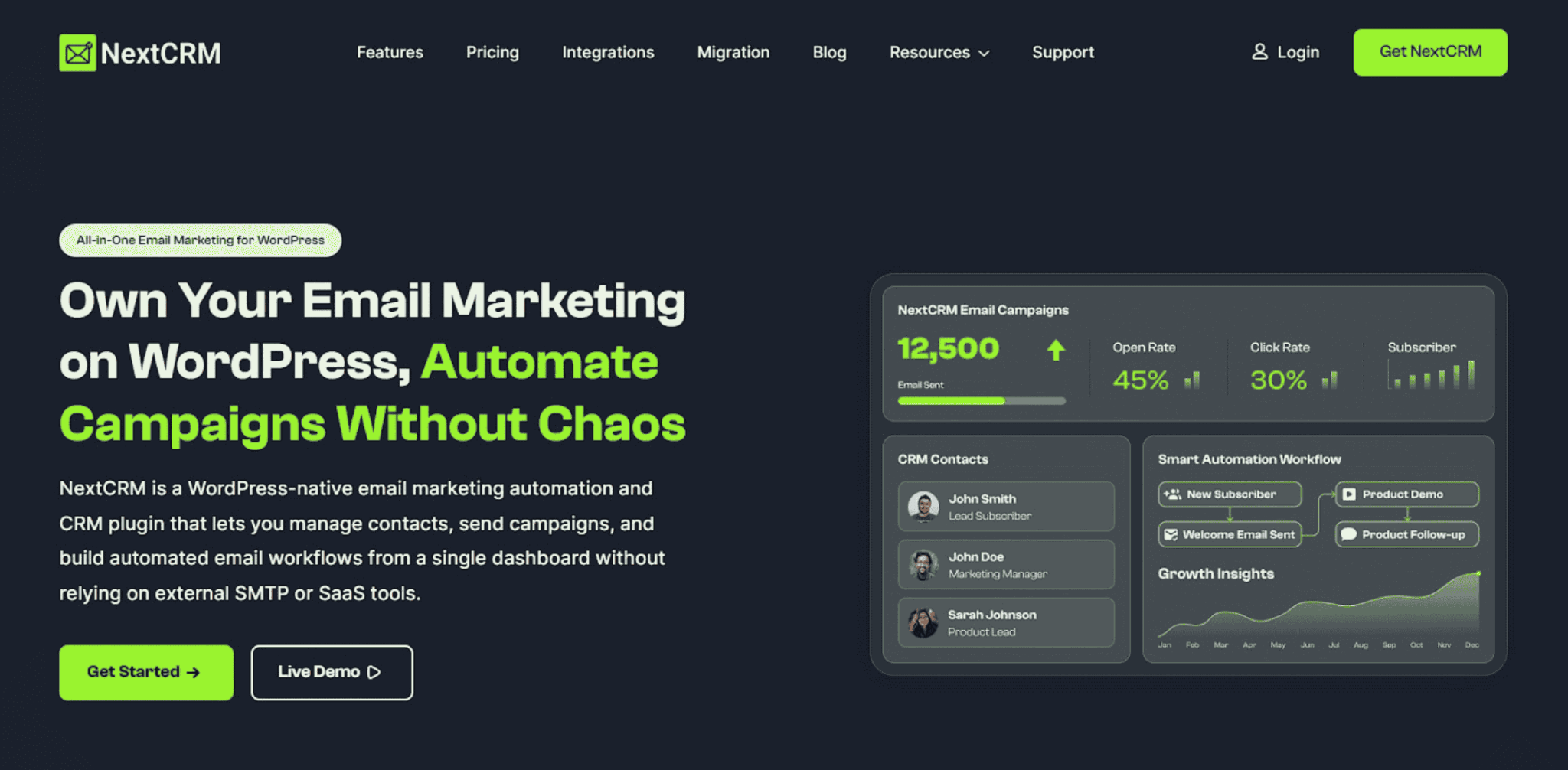
NextCRM is one of the best email marketing tools for salon business when the salon website is built on WordPress.
NextCRM is not a salon-only tool. It is a broader WordPress-native marketing solution built for businesses that want more control over customer data, marketing workflows, behavior tracking, and follow-up campaigns.
That broader focus is exactly why it can serve salon businesses well.
Salon marketing depends on repeat visits. Clients need reminders, follow-ups, seasonal offers, birthday messages, aftercare tips, review requests, and inactive-client reactivation. If your salon already runs on WordPress, NextCRM gives you a way to manage those marketing workflows close to your website and booking system.
When paired with Salonly, the workflow becomes stronger. Salonly can manage online booking, staff schedules, services, deposits, payments, and client appointments. NextCRM can then manage email campaigns, SMS marketing, segmentation, automation, and client follow-ups.
Best for
NextCRM is best for WordPress-based salons that want email marketing, SMS marketing, CRM, automation, and first-party contact control.
Key features
- WordPress-native CRM and marketing automation
- Email marketing campaigns
- SMS marketing support
- Contact segmentation
- Behavior tracking and Marketing Intelligence
- Automation rules based on user actions
- Popups, push notifications, and multichannel reach
- Strong fit with a WordPress salon booking workflow
NextCRM’s Marketing Intelligence feature page describes email, SMS, popups, push notifications, behavior tracking, automation triggers, funnel tracking, and unified analytics inside WordPress.
Pros
NextCRM gives WordPress salons more control over contacts, campaigns, segmentation, and automation. It is especially useful when the salon wants marketing to connect closely with its own website, booking process, and customer journey.
It can also reduce the need to manage too many disconnected tools. Instead of keeping booking in one place, contacts in another place, and marketing somewhere else, a WordPress-powered salon can build a smoother setup around Salonly and NextCRM.
Cons
NextCRM is not the best choice for salons that do not use WordPress. It may also not be the easiest option for salon owners who want a fully hosted SaaS platform with no WordPress management.
Best salon use case
Use NextCRM if your salon website runs on WordPress and you want email, SMS, CRM, segmentation, and automation close to your booking system.
A strong setup is:
Salonly for booking and salon management. NextCRM for email, SMS, CRM, segmentation, and automated follow-ups.
This combination helps WordPress salons move from booking to retention without building a disconnected stack.
2. Mailchimp
Mailchimp is best for salons that want a familiar email marketing platform with templates, automations, and broad integrations.
Mailchimp is one of the most recognized email marketing tools for small businesses. For salon owners, that familiarity can make it easier to start sending newsletters, seasonal promotions, birthday emails, simple welcome journeys, and service announcements.
Mailchimp offers marketing plans with email campaigns, audience tools, automations, templates, and plan-based feature limits. Its pricing and feature access vary by plan, so salons should check the official pricing page before choosing.
Best for
Mailchimp is best for salons that want a general-purpose email marketing platform with a large ecosystem and beginner-friendly campaign creation.
Key features
- Drag-and-drop email builder
- Email templates
- Signup forms
- Audience management
- Marketing automation flows on selected plans
- AI-supported marketing features on selected plans
- Broad app integrations
Pros
Mailchimp is easy to recognize and easy to start with. It can work well for salons that need newsletters, promotional emails, seasonal offers, and basic email automation.
Cons
Mailchimp can become less simple as your needs grow. Advanced automation, predictive segmentation, and deeper customer journeys may depend on specific plans. Costs may also increase as your contact list grows.
Best salon use case
Use Mailchimp if your salon wants a familiar tool for monthly newsletters, promotional emails, and simple welcome campaigns.
3. Brevo
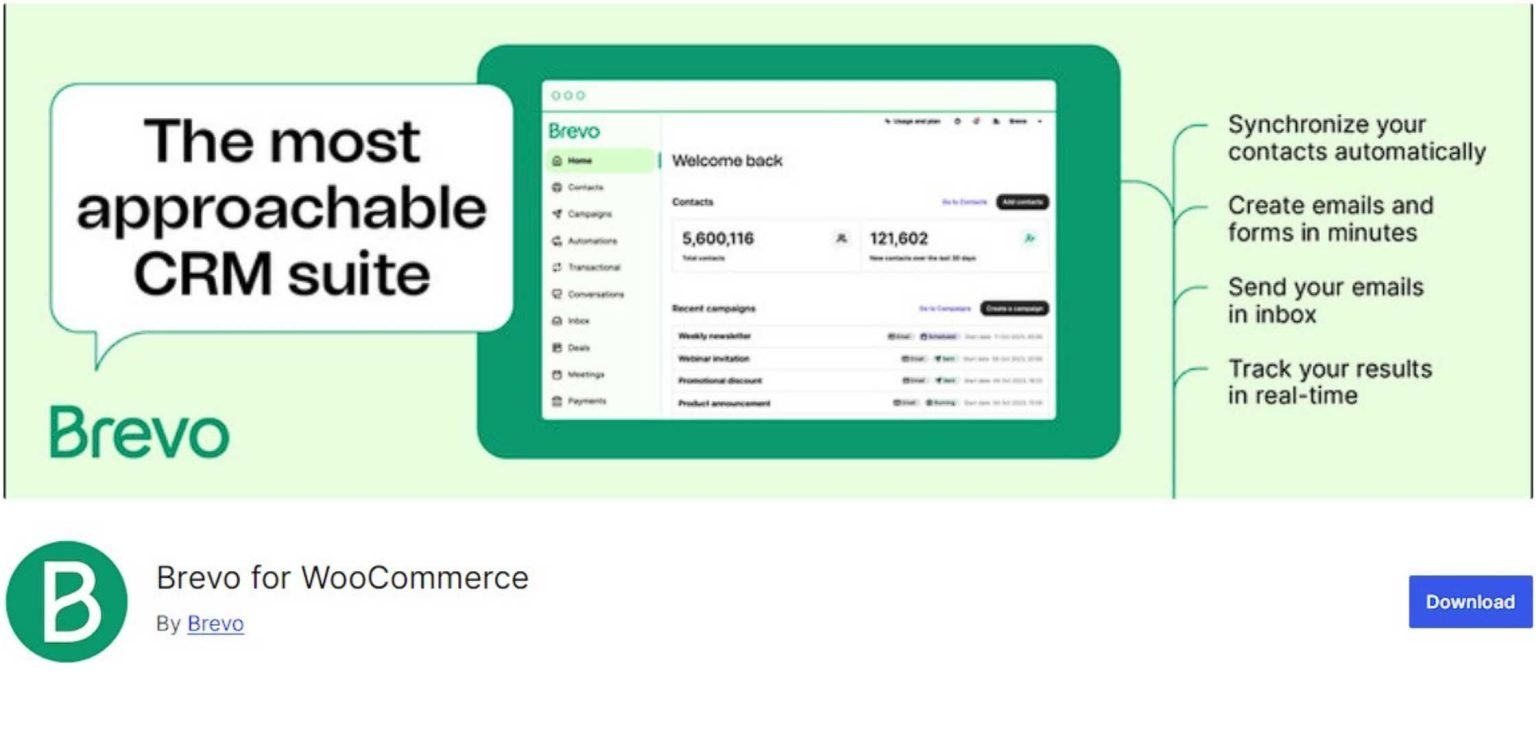
Brevo is best for salons that want hosted email marketing, SMS marketing, CRM, automation, and customer communication tools in one platform.
Brevo positions itself as an all-in-one customer engagement platform with email marketing, SMS marketing, automation, CRM, live chat, and transactional email.
For salons, Brevo can be useful when you want email and SMS together but do not want a WordPress-native setup. It can support appointment-related campaigns, rebooking messages, promotional emails, simple customer management, and multichannel communication.
Best for
Brevo is best for salons that want a hosted platform with email, SMS, CRM, and automation.
Key features
- Email marketing campaigns
- SMS marketing
- WhatsApp campaign options
- Marketing automation
- CRM tools
- Transactional email
- Live chat and chatbot options
Brevo’s SMS marketing page describes SMS campaigns alongside email, WhatsApp, and other channels from one platform.
Pros
Brevo is practical for salons that want multichannel marketing without buying separate tools for email, SMS, and basic CRM. It is a good fit for reminders, offers, rebooking nudges, and client follow-ups.
Cons
Brevo may feel broader than necessary if your salon only wants simple newsletters. Some features may also require paid plans, add-ons, or setup time.
Best salon use case
Use Brevo if your salon wants email and SMS marketing in one hosted platform and does not need a WordPress-native marketing system.
4. MailerLite
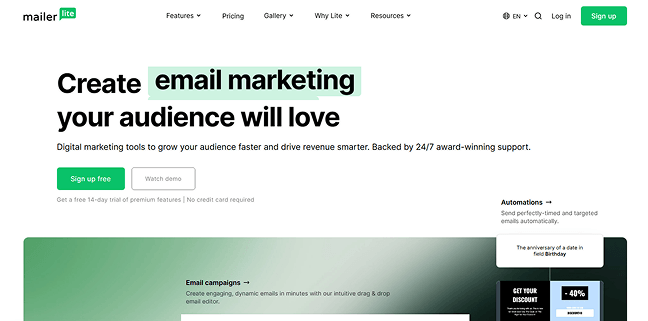
MailerLite is best for small salons that want simple newsletters, signup forms, landing pages, and basic automation.
MailerLite is often chosen because it feels clean and beginner-friendly. That matters for salon owners who do not want a complex CRM or enterprise system just to send a few good campaigns every month.
MailerLite’s pricing page describes a free plan with email limits, campaigns, automations, website tools, landing pages, signup forms, and email editors.
Best for
MailerLite is best for small salons, solo stylists, and beauty professionals who want simple email marketing without heavy setup.
Key features
- Drag-and-drop email editor
- Signup forms
- Landing pages
- Newsletter campaigns
- Basic automation workflows
- Subscriber management
- Campaign reporting
Pros
MailerLite is easy to use and works well for newsletters, service updates, first-time client offers, simple monthly campaigns, and lead capture forms.
Cons
MailerLite is not a salon-specific platform, and SMS is not its main focus. If your salon needs appointment-based SMS reminders or booking-triggered workflows, you may need another integration or tool.
Best salon use case
Use MailerLite if your salon wants a simple email system for beauty tips, monthly updates, seasonal offers, and signup forms.
5. Constant Contact
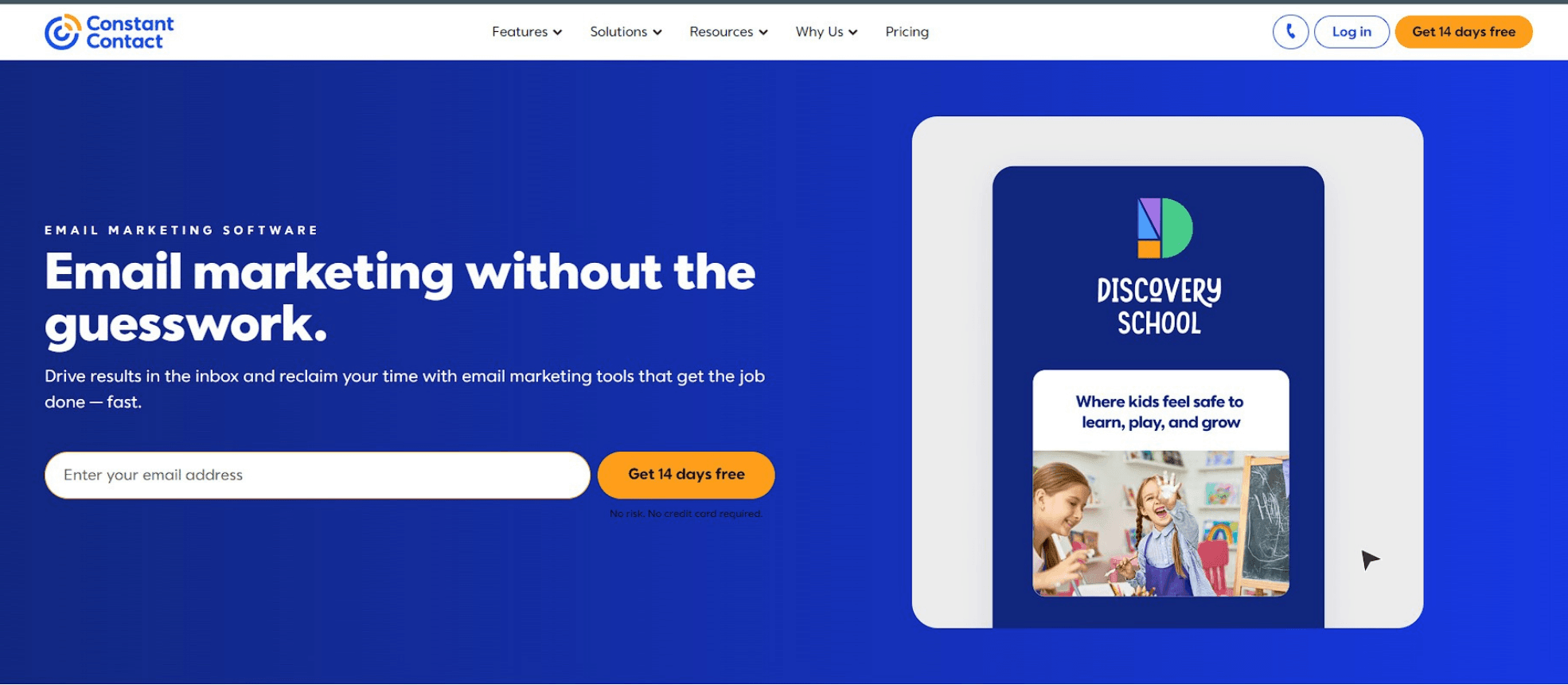
Constant Contact is best for local salons that want email templates, beginner support, and small business marketing tools.
Constant Contact is a long-running email marketing platform built for small businesses. Its website highlights premade templates, drag-and-drop editing, AI-supported tools, inbox previews, and app integrations.
For salons, Constant Contact can work well when the goal is straightforward. Think newsletters, local promotions, event announcements, new service launches, birthday offers, and basic automations.
Constant Contact’s pricing page says SMS campaigns are included in Premium plans and can be added to Lite and Standard plans, with plan-specific message limits and add-on pricing.
Best for
Constant Contact is best for local salons that want an approachable marketing platform with templates and support.
Key features
- Email templates
- Drag-and-drop editor
- AI-supported content and branding tools
- Contact management
- Basic automation
- SMS marketing availability by plan or add-on
- Small business marketing tools
Pros
Constant Contact is easy for non-technical salon owners to understand. It works well for newsletters, promotions, local events, and client updates.
Cons
Advanced segmentation and deeper automation may not be as flexible as more specialized tools. Salons that need strong booking-based workflows may need integrations.
Best salon use case
Use Constant Contact if your salon wants a reliable local-business email tool for regular newsletters, offers, and announcements.
6. Klaviyo
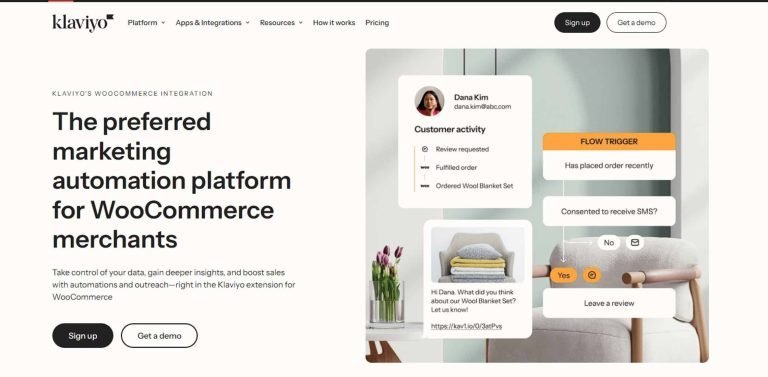
Klaviyo is best for salons, spas, and medspas that sell retail products online and need email, SMS, automation, and customer data features.
Many salons now sell more than appointments. They sell shampoos, conditioners, skincare, gift cards, memberships, aftercare products, and beauty bundles. If ecommerce is a serious part of your salon business, Klaviyo becomes more relevant.
Klaviyo positions itself as an AI email marketing and SMS platform for B2C CRM, with paid plans scaling based on contacts and channel usage.
Best for
Klaviyo is best for salons with ecommerce, retail products, gift cards, subscriptions, or high-value customer journeys.
Key features
- Email marketing
- SMS marketing
- Customer data and segmentation
- Ecommerce automation
- Reporting and attribution
- Product and customer behavior workflows
Pros
Klaviyo is strong when product behavior matters. It can help salons send product recommendations, replenishment reminders, abandoned cart emails, and targeted offers based on customer data.
Cons
Klaviyo can be more than a simple appointment-focused salon needs. If you do not sell products online or track ecommerce behavior, some features may go unused.
Best salon use case
Use Klaviyo if your salon sells retail products online and wants to connect email, SMS, customer data, and ecommerce automation.
7. Omnisend
Omnisend is best for ecommerce-focused salons that want email, SMS, automation, and web push notifications.
Omnisend is built mainly for ecommerce marketing. It positions itself as an email and SMS marketing platform for ecommerce brands using Shopify, WooCommerce, and other platforms.
For salons, Omnisend makes the most sense when products are part of the growth strategy. A medspa selling skincare, a salon selling haircare bundles, or a spa promoting gift cards may benefit from ecommerce-focused automation.
Best for
Omnisend is best for salons with online stores, WooCommerce shops, Shopify stores, product bundles, or gift card campaigns.
Key features
- Email marketing
- SMS marketing
- Web push notifications
- Ecommerce automation
- Product recommendations
- Forms and popups
- WooCommerce and Shopify integrations
Pros
Omnisend is useful when a salon wants to market appointments and products together. It works well for retail promotions, gift cards, abandoned carts, seasonal bundles, and online store campaigns.
Cons
Omnisend may feel ecommerce-heavy for appointment-only salons. If your salon does not sell products online, a simpler email or email-and-SMS platform may be enough.
Best salon use case
Use Omnisend if your salon sells online products or gift cards and wants ecommerce-focused email, SMS, and push automation.
8. Campaign Monitor
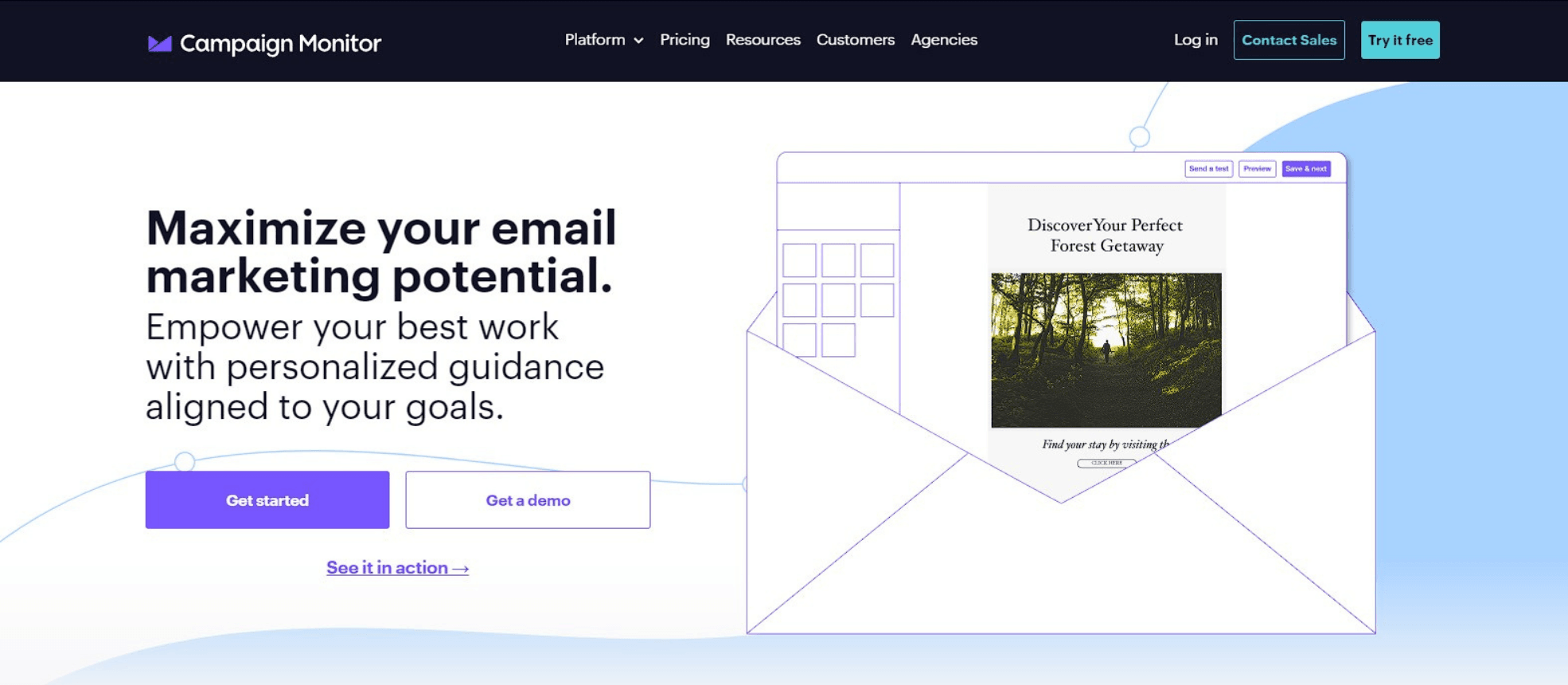
Campaign Monitor is best for salons that care about polished email design, branded campaigns, and clear customer journeys.
Campaign Monitor describes its platform as email marketing software with templates, automation, and tools for creating professional campaigns.
This makes Campaign Monitor a good fit for salons that want emails to look polished and on-brand. It is especially useful for seasonal campaigns, VIP offers, service launch emails, and customer reactivation journeys.
Best for
Campaign Monitor is best for salons that want design-focused email campaigns and structured automation journeys.
Key features
- Email campaign builder
- Custom templates
- Audience management
- Email automation
- Reporting and campaign insights
- Professional email design tools
Pros
Campaign Monitor is strong for brand-led email marketing. It can help salons create polished campaigns that feel professional and consistent.
Cons
Campaign Monitor is not mainly positioned as an SMS marketing tool. Salons that need appointment reminder texts may need a separate SMS solution or integration.
Best salon use case
Use Campaign Monitor if your salon wants polished email campaigns for seasonal promotions, VIP clients, new services, and inactive-client reactivation.
9. Kit
Kit is best for independent stylists, beauty educators, creators, and salon owners who grow through personal-brand content.
Kit, formerly ConvertKit, is positioned as a creator-first email marketing and newsletter platform. Its pricing page highlights automated email sequences, RSS campaigns, API access, and direct app connections.
This makes Kit a good fit for beauty professionals who publish content, teach classes, sell digital products, or build a personal audience. A stylist who sends weekly hair care tips may find Kit more natural than a traditional small business email tool.
Best for
Kit is best for creator-led salons, independent stylists, educators, coaches, and beauty professionals who use content to build trust.
Key features
- Email newsletters
- Automated sequences
- Landing pages and forms
- Creator-focused subscriber tools
- RSS campaigns
- App connections and API access
Pros
Kit is strong for relationship-led marketing. It works well when the stylist, educator, or salon founder is part of the brand story.
Cons
Kit is not built specifically for appointment-heavy salon operations. It may need integrations if you want booking-triggered reminders or detailed client service history.
Best salon use case
Use Kit if you are a stylist, beauty coach, salon educator, or creator who wants to grow an audience through helpful content and email newsletters.
10. HubSpot
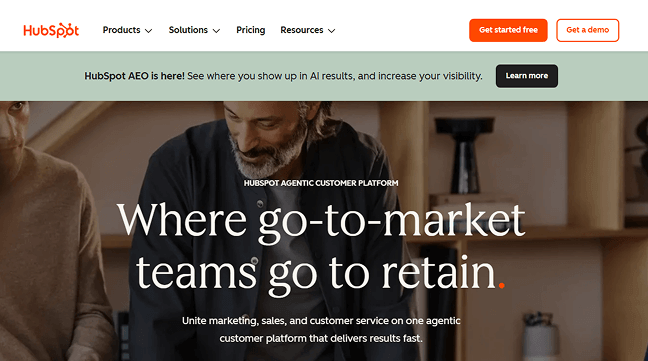
HubSpot is best for larger salons, medspas, and multi-location businesses that need CRM, email marketing, automation, and sales follow-up in one platform.
HubSpot is more than an email marketing tool. Its email marketing page describes drag-and-drop email editing, templates, personalization, AI support, and automated follow-ups based on contact engagement.
For salons, HubSpot makes the most sense when the business has a consultation process, high-ticket services, treatment plans, memberships, sales follow-ups, or multiple team members managing leads.
Best for
HubSpot is best for larger salons, medspas, multi-location beauty businesses, and teams with lead nurturing or consultation workflows.
Key features
- CRM
- Email marketing
- Marketing automation
- Forms and landing pages
- CRM-based personalization
- Reporting and analytics
- Sales and service ecosystem
Pros
HubSpot is powerful when marketing, sales, and client management need to work together. It can support consultation follow-ups, treatment plan nurturing, and lead management.
Cons
HubSpot can be too large or costly for small salons that only need newsletters, reminders, and basic follow-ups.
Best salon use case
Use HubSpot if your salon or medspa has a real sales pipeline, consultation process, or larger team that needs CRM and marketing automation together.
Where Salonly Fits in a Salon Email Marketing Stack
Salonly is not an email marketing tool, and it should not be treated like one.
Salonly is the salon booking and management layer for WordPress-based salon businesses. It helps salons manage online bookings, staff schedules, appointments, services, payments, deposits, and client booking workflows inside WordPress. (Salonly Features)
That matters because email marketing works better when it connects with appointment behavior.
A salon does not only need to send newsletters. It also needs to know when a client booked, which service they chose, when they should return, whether they missed an appointment, and when a follow-up message makes sense.
This is where Salonly and NextCRM create a strong WordPress-based workflow.
Salonly manages the booking side. NextCRM manages the marketing side.
For example:
- A client books a haircut through Salonly.
- The salon stores the client and appointment details.
- NextCRM can help send a welcome email or service preparation message.
- After the appointment, the salon can send aftercare tips.
- A few weeks later, the client can receive a rebooking reminder.
- If the client does not return, the salon can send a win-back email or SMS.
This makes the workflow feel more natural because the booking process and marketing follow-up are connected around the same WordPress website.
Some hosted salon platforms also include built-in client messaging or marketing features. Those can work for salons that want an all-in-one SaaS system. But for salons using WordPress, the Salonly plus NextCRM combination gives more control over the website, booking experience, client data, and marketing workflow.
Which Email Marketing Tool Should Your Salon Choose?
Your salon should choose the tool that matches its website setup, booking process, marketing channels, and growth model.
Here is a simple decision table.
| Salon Need | Best Tool Direction |
| You use WordPress and want email, SMS, CRM, segmentation, and automation | NextCRM |
| You use WordPress and need booking, staff scheduling, payments, deposits, and client management | Salonly |
| You want the smoothest WordPress booking-to-retention setup | Salonly plus NextCRM |
| You want a familiar general email marketing platform | Mailchimp |
| You want hosted email, SMS, CRM, and automation | Brevo |
| You want simple newsletters and landing pages | MailerLite |
| You want local-business email templates and support | Constant Contact |
| You sell salon retail products online | Klaviyo or Omnisend |
| You care most about polished email design | Campaign Monitor |
| You are a stylist building a personal brand | Kit |
| You need CRM, lead nurturing, and sales follow-up | HubSpot |
If your salon is not using WordPress, start with the hosted platform that matches your workflow. If your salon runs on WordPress, compare the self-hosted route before committing to another external SaaS stack.
For a WordPress salon, the clearest setup is:
Salonly for booking and salon management. NextCRM for email, SMS, CRM, segmentation, and automated follow-ups.
Best Email and SMS Campaigns for Salons
The best salon campaigns are built around client timing, not random promotions.
A salon client usually needs a message at a specific moment. That moment may happen after signup, after the first appointment, before the usual rebooking window, during a birthday month, before a holiday, or after a long period of inactivity.
| Campaign Type | Best Channel | When to Send | Goal |
| Welcome series | After signup or first booking | Introduce the salon and encourage the next step | |
| Appointment reminder | SMS | 24 to 48 hours before appointment | Reduce no-shows and late cancellations |
| Post-visit follow-up | 1 to 3 days after service | Share aftercare tips and request feedback | |
| Rebooking reminder | Email or SMS | Based on service cycle | Bring clients back at the right time |
| Birthday offer | Email or SMS | During birthday month | Build loyalty and encourage a booking |
| Seasonal promotion | Email first, SMS near deadline | Before holidays or slow periods | Fill appointment gaps and promote packages |
| Review request | Email or SMS | After a positive visit | Build trust and support local search visibility |
| Win-back campaign | Email and SMS | After client inactivity | Reactivate clients who have not returned |
The important part is relevance. A haircut client, facial client, bridal makeup client, and nail client should not always receive the same follow-up message.
Example Salon Booking-to-Retention Workflow
Here is how a WordPress-based salon can use Salonly and NextCRM together.
A new client visits the salon website and books a hair color appointment through Salonly. The booking form collects the client’s name, email, phone number, service choice, appointment date, and any required notes.
After booking, the salon can use NextCRM to send a confirmation-style welcome email or preparation message. This email might include what to expect, how long the appointment may take, and how to prepare before arriving.
After the appointment, the salon can send aftercare tips by email. For a hair color client, that could include washing advice, product recommendations, and when to return for maintenance.
A few weeks later, the salon can send a rebooking reminder by email or SMS. If the client does not book again, the salon can add them to a win-back campaign with a helpful message or limited-time offer.
This is the type of connected workflow that makes salon email marketing more effective. The message is not random. It follows the client journey.
Email Marketing and SMS Compliance for Salons
Salon marketing messages should be permission-based, clearly identified, and easy to opt out of.
This is not only a legal issue. It is a trust issue. Clients are more likely to stay subscribed when they understand what they signed up for and can easily unsubscribe.
For commercial email in the United States, the FTC says businesses should not use false or misleading header information, should not use deceptive subject lines, should identify ads, and should tell recipients how to opt out.
For the UK, the ICO explains that soft opt-in can apply only when marketing emails or texts are for similar products or services, and organizations still need to identify themselves and explain how people can opt out.
Deliverability also matters because mailbox providers expect proper sender authentication. Gmail’s sender guidelines explain that DMARC requires messages to be authenticated by SPF or DKIM, and the authenticating domain must match the domain in the visible From header.
For salons, the practical lesson is simple. Collect consent clearly, separate email and SMS preferences where needed, include unsubscribe options, and authenticate your sending domain before sending regular campaigns.
Common Mistakes Salons Make With Email Marketing Tools
Most salon email marketing problems come from weak strategy, not weak software.
A tool can send emails, but it cannot fix poor timing, unclear offers, messy contact data, weak segmentation, or poor deliverability setup. Before blaming the platform, check how your campaign system is built.
Sending the Same Email to Every Client
A generic email list is easy to manage, but it becomes less effective over time. Clients respond better when messages match their interests and service history.
Segment clients by service type, last visit date, stylist, location, product purchases, loyalty status, or engagement level. A color care email should not go to someone who only books waxing services.
Ignoring the Booking Journey
Many salons send promotions but forget the appointment lifecycle. The best messages are often tied to booking behavior.
Send a welcome email after the first booking, aftercare tips after the appointment, a rebooking reminder near the expected return date, and a win-back message after inactivity.
Using SMS Like Email
SMS should be short, clear, and time-sensitive. Long promotional copy usually belongs in email, not in a text message.
Use SMS for reminders, urgent openings, confirmations, and short offers. Use email for details, visuals, service education, and campaign storytelling.
Skipping Email Authentication
Email authentication is no longer optional for serious senders. SPF, DKIM, and DMARC help mailbox providers verify that your messages are legitimate.
If your salon sends regular campaigns from a branded domain, set up authentication before scaling your email list.
Choosing a Tool Only Because It Is Popular
A popular tool may still be wrong for your salon. A retail-focused salon may need Klaviyo or Omnisend. A creator-led stylist may prefer Kit. A WordPress salon may be better served by Salonly and NextCRM together.
Choose based on workflow, not only brand recognition.
Buyer Checklist for Salon Email Marketing Tools
A salon should choose an email marketing tool by matching features to business goals.
Use this checklist before signing up.
- Do we need email only, or email plus SMS?
- Do we need booking system integration?
- Do we sell retail products online?
- Do we use WordPress?
- Do we need CRM or client history?
- Do we need appointment-based automation?
- Can we segment by service type and visit history?
- Can we send birthday offers, rebooking reminders, and win-back campaigns?
- Can we track clicks, bookings, and campaign results?
- Does the tool support consent and unsubscribe management?
- Will pricing still work when our list grows?
- Do we want hosted convenience or more WordPress-based control?
If your answers point toward simple newsletters, choose a simple email platform. If your answers point toward booking workflows, SMS, client data, segmentation, and ownership, choose a more connected system.
For WordPress salons, that connected system can be Salonly plus NextCRM.
FAQs About Email Marketing Tools for Salon Business
What are the best email marketing tools for salon business?
The best email marketing tools for salon businesses include NextCRM, Mailchimp, Brevo, MailerLite, Constant Contact, Klaviyo, Omnisend, Campaign Monitor, Kit, and HubSpot. The right choice depends on your website setup, booking workflow, SMS needs, automation needs, and client retention goals.
What is the best email marketing tool for WordPress salons?
NextCRM is a strong option for WordPress salons because it supports CRM, email marketing, SMS marketing, segmentation, behavior tracking, and automation inside WordPress. When used with Salonly, it can support a smoother booking-to-retention workflow for salon businesses.
Is Salonly an email marketing tool?
No. Salonly is not an email marketing tool. Salonly is a WordPress salon booking and management solution. It helps salons manage appointments, services, staff, payments, deposits, and client booking workflows. For email and SMS marketing, WordPress salons can pair Salonly with NextCRM.
How do Salonly and NextCRM work together for salons?
Salonly can manage the booking side of a salon business, while NextCRM can manage the marketing side. A salon can use Salonly for appointments, staff, payments, and client booking flows, then use NextCRM for email campaigns, SMS reminders, segmentation, review requests, and win-back automations.
Can salons use Gmail or Outlook for email marketing?
Salons should not use Gmail or Outlook for real marketing campaigns. Personal inbox tools do not provide proper unsubscribe management, segmentation, automation, reporting, or sender controls for campaign marketing. A dedicated email marketing tool is safer and more scalable.
How often should salons send marketing emails?
Most salons can start with two to four marketing emails per month. The right frequency depends on service cycle, client expectations, campaign quality, and unsubscribe rate. A balanced plan may include one newsletter, one seasonal offer, and one targeted reminder or win-back campaign.
Should salons use email or SMS for appointment reminders?
Salons should usually use SMS for appointment reminders because texts are short, fast, and easy to act on. Email is better for aftercare tips, service education, visual campaigns, detailed offers, and newsletters.
Do salon email marketing tools need to connect with booking software?
Salon email marketing tools work better when they connect with booking software because appointment behavior gives better timing. When the marketing tool knows when a client booked, what service they chose, and when they last visited, it can send more relevant messages.
Is SMS marketing legal for salons?
SMS marketing can be legal when the salon collects proper consent, identifies itself clearly, sends relevant messages, and gives clients a way to opt out. Rules vary by country and region, so salons should check local laws before sending promotional texts.
What is the difference between salon CRM and email marketing software?
A salon CRM stores and organizes client data, while email marketing software sends campaigns and automations. Some tools combine both. A connected CRM and email system lets salons segment clients by service, booking history, behavior, and engagement before sending messages.
Final Recommendation
The best email marketing tool for salon business is the one that supports your full client journey.
If your salon only needs simple newsletters and occasional offers, Mailchimp, MailerLite, or Constant Contact may be enough. If you need email plus SMS in a hosted platform, Brevo is a practical option. If your salon sells products online, Klaviyo or Omnisend may be a better fit. If you need CRM and sales follow-up, HubSpot may make sense.
But if your salon runs on WordPress, the strongest path is different.
Salonly can manage the booking side of your salon business. It supports appointments, staff schedules, services, deposits, payments, and client booking flows inside WordPress.
NextCRM can manage the marketing side. It supports email marketing, SMS marketing, CRM, segmentation, behavior tracking, and automation inside WordPress.
Together, Salonly and NextCRM create a smoother booking-to-retention system for WordPress-based salon businesses.
That is the real advantage. Your salon does not have to treat booking and marketing as two disconnected parts of the business. You can connect appointments, client data, reminders, follow-ups, offers, and repeat bookings into one practical growth workflow.
For the broader strategy behind these tools, read our full guide to email marketing for salon businesses.